Reviewing the Artist’s Way Week 10: Recovering a Sense of Self-Protection

Cameron reminds us that we always can find our artistic direction again and again…

Week 9 provides the framework for blasting through our artistic blocks. Certain hazards, however, still exist for sustaining our creativity. Week 10 investigates how to protect our creativity by recognizing and neutralizing these threats.

Woman in armor, symbolizing self-protection.
Image by Stadnik on Pixabay.

Dangers of the Trail

Each creative person has a myriad of ways to block creativity.

Cameron starts this week on self-protection with “blocking devices” (eg, sex, drugs, food, alcohol, etc.) associated with addictions. She claims that artists with creative doubts may choose to shut down their creative flow using one or more of these blocks. Noting that these devices only become “creativity issues” when abused, she cautions us that these coping mechanisms at best assuage fears momentarily but are ineffective long term. She urges us instead to abandon this tactic. Identifying our coping mechanisms is key, as we’ll eventually take note of when we’re on the cusp of a creative U-turn before choosing to use our block(s).[*] In these instances, Cameron recommends that we employ the nervous energy generated by our artistic fears to instead create something. However, individuals who are concerned that they may have a substance use disorder or behavioral addiction (eg, gambling disorder) should seek help.

Workaholism

Workaholism is a block, not a building block.
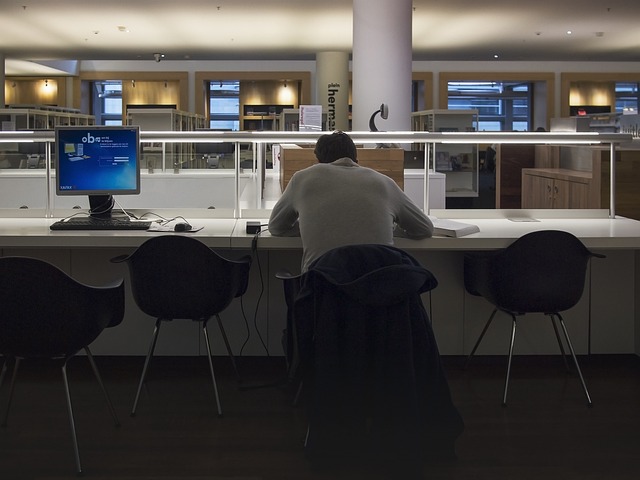
Image depicts a man working late into the evening, symbolizing workaholism.
Working too much may be perceived positively as “dedication”, but Cameron calls it harmful to your creativity. (Image by Daria Nepriakhina on Pixabay.)

Cameron then delves into workaholism, which was a recently identified process addiction (now behavioral addiction) when The Artist’s Way was published (1993). Cameron argues that working long hours represents avoidance, not “dedication”.[†] While she respects working toward “a cherished goal”, she remains concerned with how excessive working blocks “creative energy”. She, therefore, provides a questionnaire to assess our work–life balance so that we can assert more appropriate boundaries if needed. A small caveat should be observed here, as people may work too much for other reasons (eg, economic necessity, caregiving). While the dangers linked to overworking remain, the solutions are likely different.

Drought

For all creative beings, the morning pages are the lifeline…

Creative droughts represent long periods of being creatively blocked, which Cameron assures us occurs commonly in artists’ lives. However, lengthier stretches of being blocked can further compound our blocked state, because we tend to interpret the duration as a sign that our creativity is gone or never really existed. However desperate droughts may be, Cameron believes they serve the purpose of bringing us “clarity and charity” because we refuse to give up. To survive a creative drought, she suggests that we stalwartly continue with morning pages to work through our fears and find our way back to our creative path.

Creative droughts may leave you feeling stranded, but persevering with your morning pages can help get through them. (Image by Ralph Klein from Pixabay.)

Spiritual Drugs

Fame is really a shortcut for self-approval.

When we focus on competition…we impede our own progress.

Finally, Cameron includes two “spiritual drugs” to the ways in which we spiritually block ourselves: fame and competition. Fixating on either the desire to win (competition) or for recognition (fame) can derail our creativity because both redirect our attention from creating to comparing ourselves (usually unfavorably) to others. Fame, according to Cameron, “creates a continual feeling of lack” if we’re not recognized “enough”, while being competitive [‡] makes us monitor what sells instead of seeking our own artistic inspiration. We may even abandon nascent projects should they fail to show their potential quickly. Cameron warns strongly against this impetus, noting that even “bad work” can lead to new artistic horizons.

Cameron has theories on why people pursue external validation (ego for the competitive, fears of being unloved for fame seekers), but her antidote for both is self-approval. For fame seekers, she advises us to nurture our artist to reassure ourselves of our worth and to partake in creative play (eg, artist’s dates) to forget our craving for fame. For competitive artists, she notes that self-approval supplants the desire for others’ approval, reminding us that “showing up for the work is the win that matters.”

Competition has its uses and can be fun, but Cameron claims “a competitive spirit” is at odds with creativity. (Image by Federico Ghedini from Pixabay.)

Some Closing Thoughts

Spiritual maladies[§], as described above, are this week’s insidious creative bugbears and involve situations that may crop up during an artist’s career. Self-protection is the week’s stated goal, but building resilience is another way of thinking of it. Affirmations, morning pages, and artist’s dates are the core recommendations for issues discussed this week, all of which work towards building that resilience.
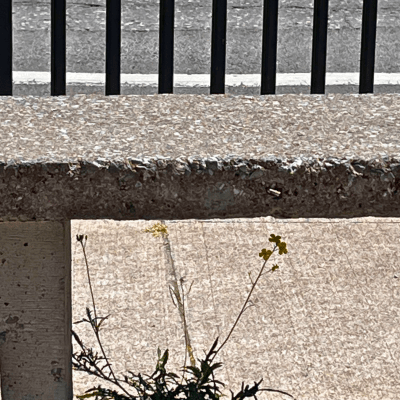
Photo of flowers growing through pavement, under a bench.
Being resilient is necessary to creative life. (Image by Rita E. Gould.)

Having said that, certain discussions about addiction gave me pause. To Cameron’s credit, she remained relatively nonjudgmental and kept the conversation centered on how self-soothing with substances/behaviors harms creativity. Equally valuable was her push for honest evaluation of worrisome behaviors, which is necessary for personal change. But I found her theory on creativity and addiction puzzling[**] and her recommendation to “use anxiety” concerning. The latter reads like “use willpower”, which isn’t necessarily the best strategy for those dealing with addiction however helpful it could be for others. As I’ve stated before, this book hasn’t had a substantive update on mental health issues. Readers should refer to recent literature or the appropriate health professionals for current thinking here.

With that said, there is one standout tenet that I’d like to emphasize from this week. Cameron reminds us that we always can find our artistic direction again and again, regardless of whether we’re derailed by life or our own blocking. It’s one of the more important points of The Artist’s Way and a good reminder for all of us wherever we are on our creative journeys.


Updated on 13 August 2024 to add captions to photos and updated a term.

NOTES:


[*]Per week 9, sudden indifference towards one’s artistic projects also signals an impending creative U-turn.

[†]Workaholism may also mask underlying psychiatric disorders.

[‡]Focusing on self-improvement is key here. While competition has its uses, less competitive people tend to be more successful in the long run.

[§]Cameron considers them to be spiritual issues as these blocks specifically stop the flow of creative energy that she defines as divine.

[**] Cameron states that “it could be argued that the desire to block the fierce flow of creative energy is an underlying reason for addiction”. For what it’s worth, most evidence seems to suggest that causes of addiction are multifactorial, with genetics playing an important role.

Reviewing The Artist’s Way: Week 9

Being told I wasn’t lazy lifted a weight I hadn’t known I was carrying…

Text displays a copy of the book, The Artist's Way: A Spiritual to Higher Creativity resting on a wooden background.

As we inch toward the end of The Artist’s Way, some loose ends begin to wrap up. Week 9 closes out the prior weeks’ thoughts on our negative conditioning, revealing what keeps us blocked. It also provides us with insights into what we need to do to start and sustain our creative work.

Fear: What’s in a Name?

Blocked artists are not lazy. They’re blocked.

Week 9’s theme is one of compassion, the kind that artists likely need when recovering from the losses discussed in week 8. Cameron introduces this theme by investigating how we label ourselves. She observes that artists often engage in negative self-talk by calling ourselves lazy when we fail to get creative projects underway (never mind finished). Gently disputing this opinion, she states that we actually are blocked. To prove her point, she recounts how much energy we spend on feeling of self-doubt, regret, and grief (among others). Our artistic inaction, she asserts, is caused by being blocked, and as she reveals, we’re blocked due to fear.

The image is a cartoon depicting a side view of a woman seated at a desk. Her head rests on the desk. In front of her head, is open laptop and a mug.
A friendly reminder: blocked artists are not lazy, they’re blocked! (Image by Mohamed Hassan from Pixabay.)

Cameron doesn’t specifically draw out why our calling ourselves lazy is so harmful, but we can readily observe how blaming our “lack” of willpower turns to shame when we fail to get artistic projects underway, in turn begetting a cycle of regret because that fear remains unnamed and unaddressed. For Cameron, calling things by their right name is not a matter of semantics[*] but an act of compassion, because we cease scolding ourselves when we acknowledge what truly impedes our artistic endeavors. Moving deeper into this conversation, she explores what makes us afraid, focusing on how these fears (eg, fear of abandonment caused by parental displeasure[†]) may contribute to an artist’s desire to be wildly successful.

The internal pressures fueling our ambitions and need for success (regardless of the source), however, make it challenging to either create art or be an artist. As Cameron reassures us, we should regard any difficulties in getting going as an indicator that we need help versus a sign that we’re not meant to be artists. Such help comes from our supporters, higher powers (if one is so inclined), and ourselves (eg, “filling the form” from week 8). Conquering our fears, according to Cameron, requires us to love our artist. Normally verbose on these matters, her instruction here doesn’t exactly explain how she envisions this working—which would’ve been helpful—but surely the impetus to be kinder to ourselves is an excellent place to begin.

Contrary to what we often think, finding it difficult to start an artistic project is a sign that we need help, not proof that we’re not meant to be artists. (Image by Image by Gerd Altmann from Pixabay.)

Enthusiasm as Motivation

Remember, art is a process. The process is supposed to be fun.

In the next section, Cameron answers an unposed question: How do we keep going once we’ve finally got those artistic projects started? Many of us believe that rigid discipline, powered by an artist’s indomitable willpower, is the answer. Cameron’s disdain for self-will, long a familiar sight to readers of The Artist’s Way, surfaces as she somewhat uncharitably states that this belief merely panders to one’s ego (making discipline our source of pride opposed to creativity). Discipline, she argues, only delivers temporary results. What sustains us as artists is enthusiasm.

Throughout The Artist’s Way, Cameron firmly states that art is meant to be an enjoyable process. Enthusiasm, in her view, is both a “spiritual commitment” to this process that allows us to recognize the creativity surrounding us and a source of creative energy flowing from “life itself”. Therefore, it’s the joy that we experience from our artistry that keep our artistic momentum going more than our slogging through a schedule. While we may still set schedules, we use them to plan our creative playdates. Similarly, our works areas are more likely to be a bit messier and colorful than the “monastic cells” that we tend to associate with disciplined artists. After all, our artist child self is more likely to create art when their efforts feel like play and their workspaces resemble playgrounds.

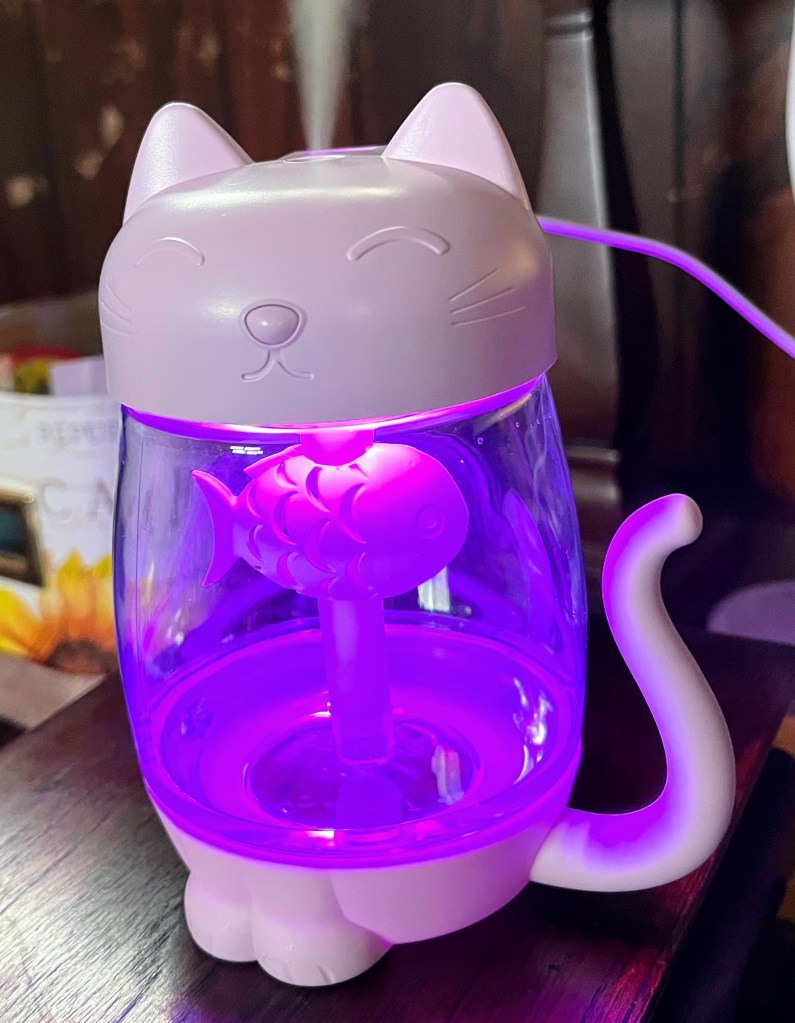
One of the items that makes my desk a fun place to be is my color-changing kitty cat humidifier. (Image by R. E. Gould.)

The one question Cameron hasn’t answered, however, is how enthusiasm relates to compassion. Between the lines, though, one might note the exclusionary whiff associated with discipline as would-be artists see this as the obstacle to their becoming artists. Subscribing to the myth of discipline is another way in which we’re unkind to ourselves, as this belief implies that creating art requires great willpower that only certain people possess. In truth, creativity is available to all, once we give ourselves permission to have fun and see what happens.

Creative U-Turns

A successful creative career is always built on creative failures. The trick is to survive them.

Week 9 opens with Cameron urging us to keep going, noting that we’re on the cusp of learning to disassemble our emotional blocks. It’s an appropriate warning, as impending success is when we most often experience a creative U-turn. As mentioned previously, creative U-turns are losses associated with self-sabotage (eg, opportunities we refuse). Cameron, as promised in week 8, returns to creative U-turns to flesh out why they occur and how to deal with them.

Creative U-turns represent moments when we self-sabotage ourselves, because we’re intimidated by our next artistic move. (Image by mark jennings-bates from Pixabay.)

Cameron cautions that some artists might feel threatened by their approaching recovery and balk at this progress. Others may find it easier to remain “victim to artist’s block” than to take on the risks of being a productive artist. While Cameron is wearing her “tough love” hat here as she uncomfortably points out how we resist recovery, she also wants us to be sympathetic when we reflect on our U-turns, because creativity has its frightening moments. We can, as she suggests, look at such moments as “recycling times”, that is, moments when need a few tries before we succeed in making a creative leap. However, she emphasizes that creative U-turns happen in all artistic careers—a point so important she mention it twice in short succession before providing a lengthy list of artists who themselves had creative failures preceding their eventual successes.

Failure is a part of the creative process, but it is survivable. To do so, we need to recognize that our creative U-turns or series of U-turns represent a reaction to our fear.[‡] Once we’ve acknowledged our U-turns and their sources, we need to seek help. To begin, we can outline what part of the creative process makes us feel uneasy. We might give ourselves confidence by building up to these difficulties (eg, trying a workshop before seeking an agent). We also can tap into our resources by asking other artists we know for assistance. As Cameron assures us, the help will come.

Blasting Through Blocks

Blocks are seldom mysterious.

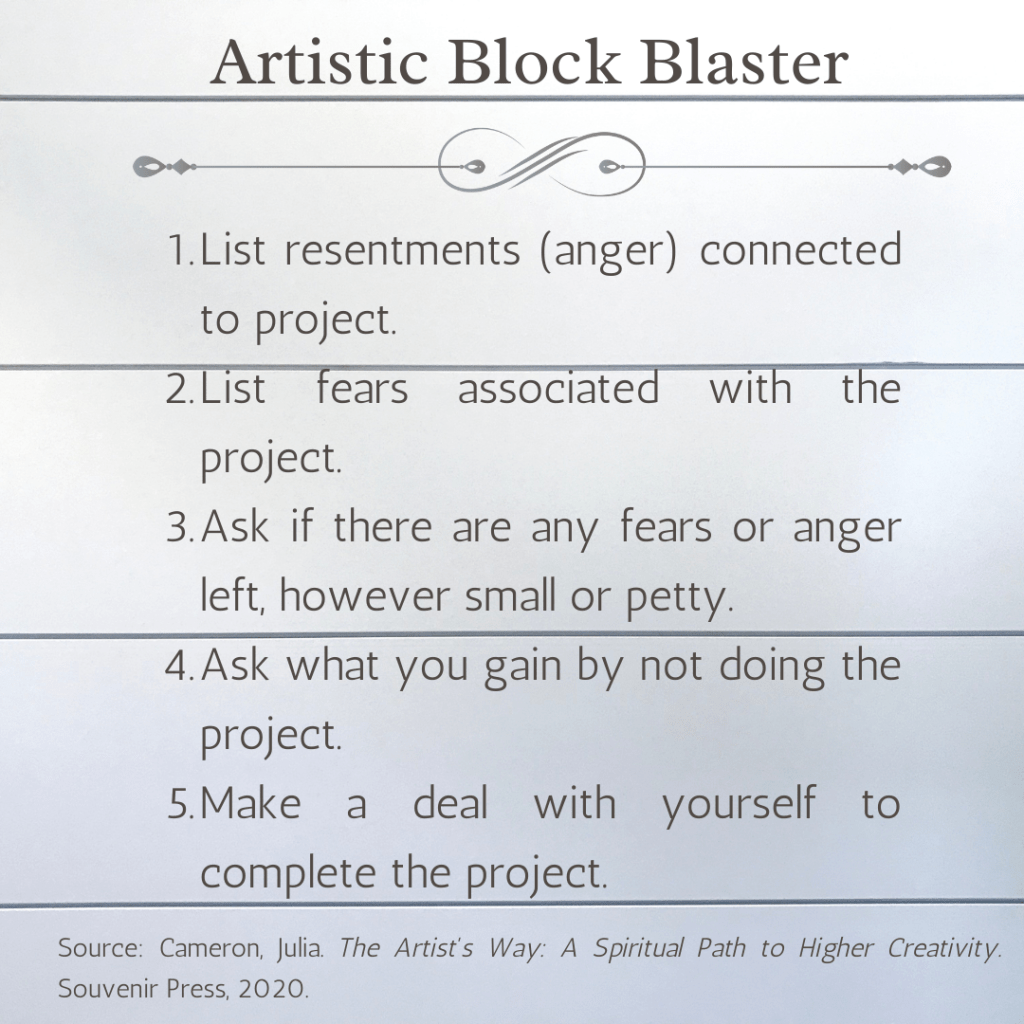
Artistic Block Blaster
1. List resentments (anger) connected to project.
2. List fears associated with the project.
3. Ask if there are any fears or anger left, however small or petty.
4. Ask what you gain by not doing the project.
5. Make a deal with yourself to complete the project. 

Source: Cameron, Julia. The Artist's Way: A Spirtual Path to Higher Creativity. Souvenir Press, 2020.

Perhaps the most exciting part of week 9 involves some advice on how to “blast” past our artist’s blocks. Cameron maintains that we need to be relatively “free of resentment (anger) and resistance (fear)” before we can work on our artistic projects. Therefore, we first need to consider what undisclosed concerns exist with a project or whether we have some lingering, unstated payoffs for not working. As she observes, our blocks are relatively straightforward: they act “artistic defenses” against what we may feel is an unsafe situation. Our mission, therefore, is to assure our artist child that it is safe to proceed. Cameron closes this week by providing a short questionnaire that’s aimed at unearthing these concealed barriers to artistic work, which she indicates is also helpful for clearing away obstructed flow in instances where the work becomes challenging (for an abridged version, see the text box).

Some Closing Thoughts

Week 9 ventures into both new and familiar territory as it persuades us to treat ourselves compassionately. While Cameron’s not one to shy from tough talk should she feel it’s necessary, this push to be kinder to ourselves is as valuable as deepening our understanding of how we artistically block ourselves. We’ve all experienced failures in our artistic lives. But we rarely do we let ourselves off the hook for them. There’s something comforting in being permitted to recognize our fears, let go of shame, and accept that we can move past our creative U-turns.

What particularly resonated with me this week, however, was Cameron’s insightful conversation on calling things by their right names. Being told I wasn’t lazy lifted a weight I hadn’t known I was carrying until I realized that my undone projects had little to with my drive.[§] This section makes the case as to why willpower and ego aren’t to blame for our artistic works in limbo—or sufficient in themselves to get us across either the start or finish line. In doing so, Cameron also highlighted (perhaps inadvertently) how dangerous negative self-talk is. Here, it works as a subtle pattern of self-shaming that convinces us we haven’t what it takes to be an artist while neatly preventing us from dealing with the fear blocking our path. This behavior does a tremendous disservice to our creative lives and likely elsewhere. It’s something that gave me pause even as I enjoyed the sense of liberation I felt at being judged “not lazy”.

Many chapters in this book deal with difficult subjects (shame, anger, jealousy, etc), with week 8 focusing heavily on our artistic losses. It’s easy to see why week 9 might seem like a good place to call it quits. Despite the time it took for me to get to and through this week,[**] I found it to be among the more positive experiences with this book thus far, because Cameron’s advice here generally is useful and easy to enact. While I continue to long for Cameron’s writing to stay a bit closer to the point or to explain how love will conquer my fears, week 9 overwhelmingly is one that should be considered unmissable for those reading The Artist’s Way.

Be kind to yourself
A gentle reminder to treat yourself kindly from Julia Cameron and myself! (“Be Kind” image by Pete Linforth from Pixabay.)

NOTES:


[*] Similar to week 7’s discussion on the difference between invention and inspiration in terms of “thinking something up” versus “getting something down”.

[†]Cameron’s is laser focused on attributing artistic blocks to negative childhood conditioning from parents, which, while important, becomes tiresome and neglects other ways in which the same results may be achieved by different means. For instance, someone from a working-class background could also feel compelled to excel artistically to justify the sacrifices their made to provide their child with the opportunity to be an artist.

[‡] We should, too, mourn them as was suggested in week 8.

[§] Briefly, I wished this was something we were told from the outset of the book or was emblazoned on its cover. But I also almost instantly recognized that I would’ve unlikely to accept this point so early on.

[**] I’m closer to a 12-month than 12-week plan.